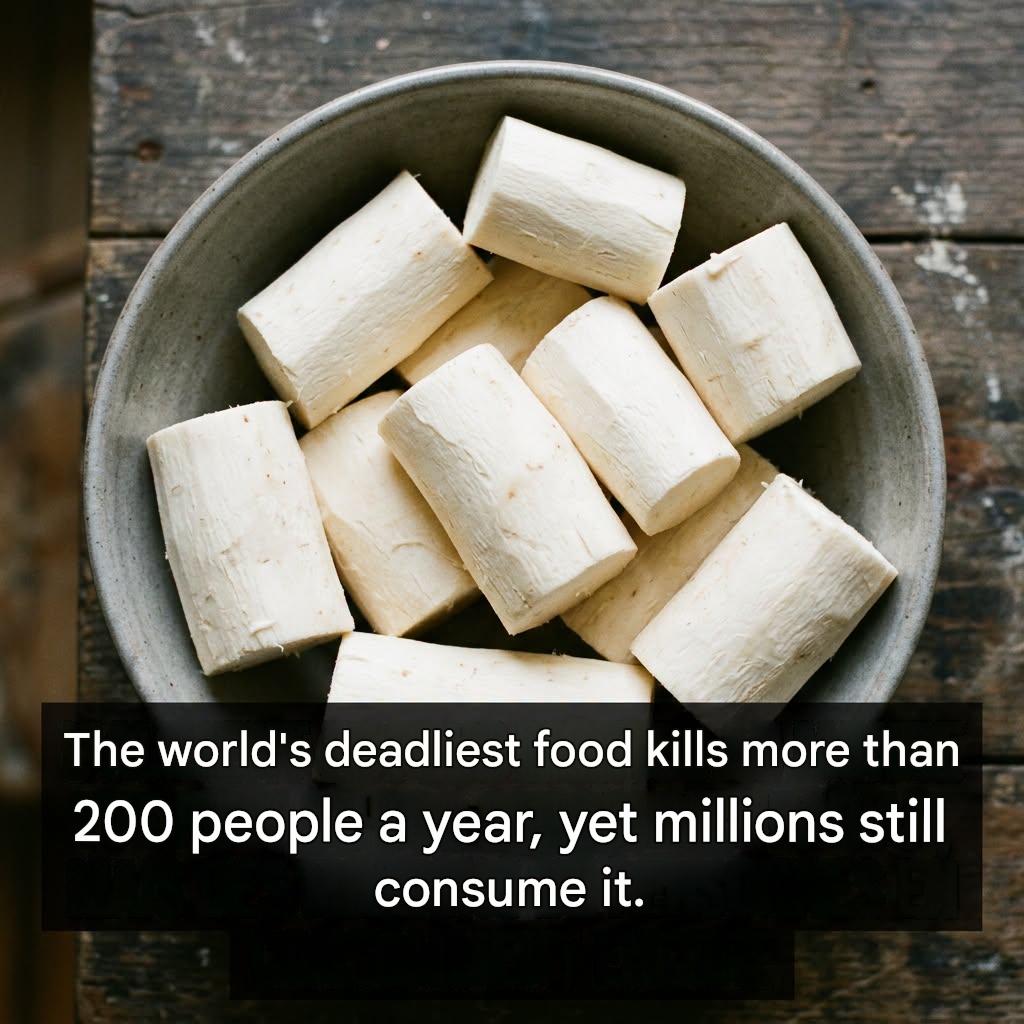
Why is this tuber still so popular?
Good question. And the answer is that cassava is essential in many regions. It grows where few other plants can survive and can feed entire families when resources are scarce. Economical, nutritious, and with a long shelf life, it plays a central role in the diets of millions of people. In countries like Venezuela, facing severe economic crises, cassava has become a staple food. Unfortunately, this vital resource can lead to serious risks if proper preparation practices are not followed.
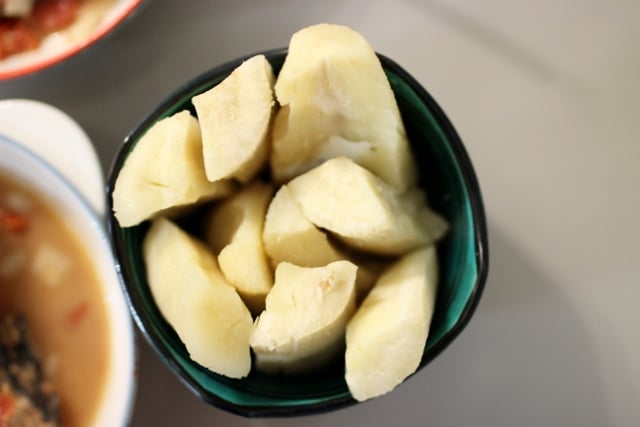
Lifesaving techniques: preparing cassava safely
Fortunately, simple techniques, often passed down through generations, effectively remove cassava toxins. Here are the steps you should never skip: carefully peel the root, removing all the outer skin; soak the cassava in clean water for 24 to 48 hours; cook it thoroughly in boiling water to neutralize the toxic compounds; never eat raw or undercooked cassava. These precautions allow you to enjoy the benefits of this root while avoiding its dangers. And in many households, these practices are part of everyday life.
A food to know… and to respect
Cassava is not the enemy. It is a precious plant, capable of feeding millions of people in difficult conditions. But it is also proof that nature sometimes demands caution and expertise. With good practices and rigorous preparation, it can remain an essential ally for all those who depend on it. What if we learned to listen to plants as much as we cook them?