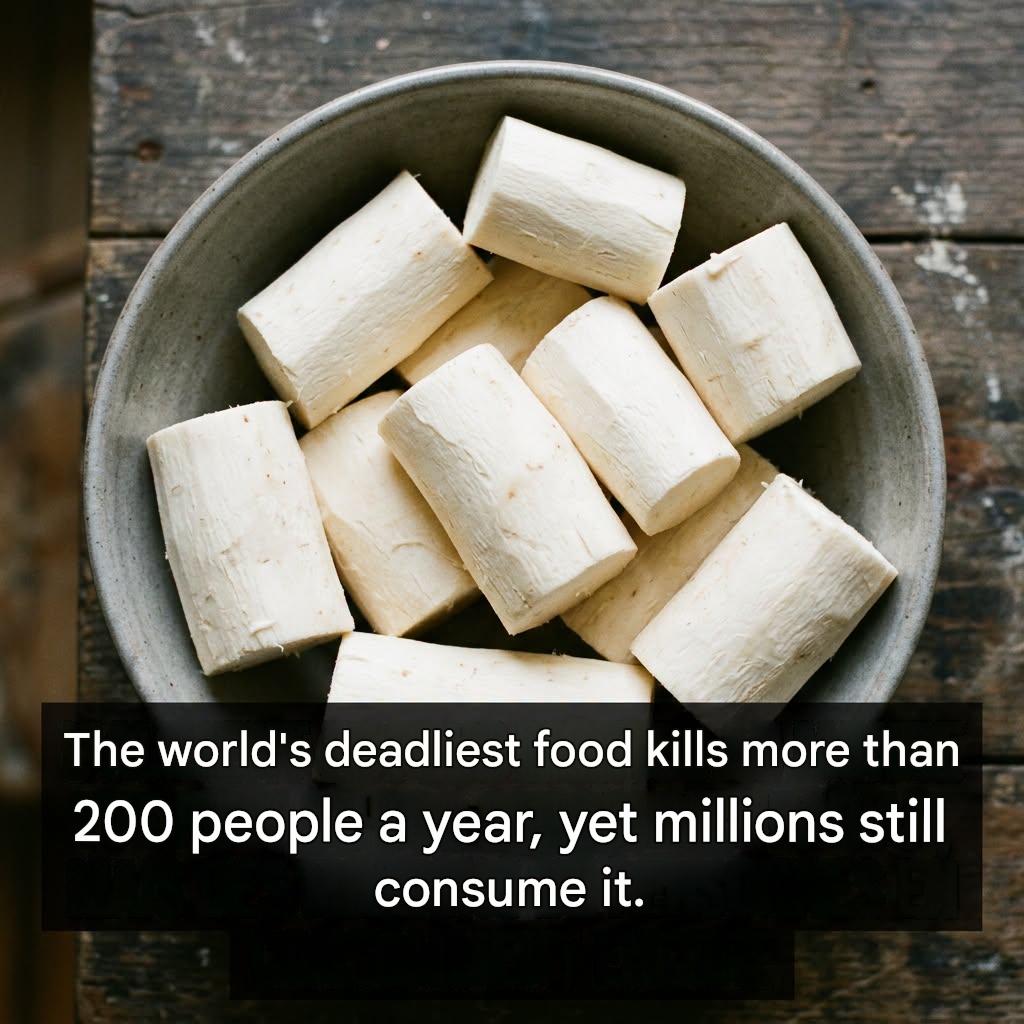
A robust tuber… with a deadly flaw
Native to South America, cassava—also known as yuca or sycamore—has become established in all tropical regions of the world. Its ability to withstand drought, thrive in poor soils, and quickly provide calories makes it a crop of choice. It’s no wonder that it’s a staple food in many countries in Africa, Asia, and Latin America. But there’s a harsh downside: cassava, especially the so-called “bitter” variety, naturally contains cyanogenic glucosides. If these compounds aren’t properly eliminated, they release cyanide. Yes, cyanide, a formidable poison that directly attacks the nervous system.
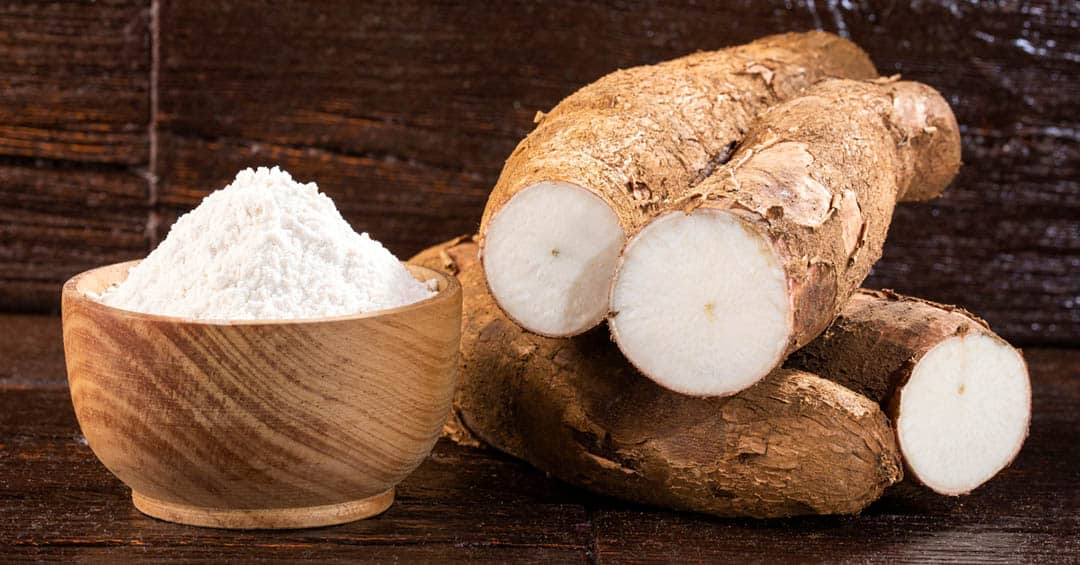
When hunger leads to poisoning
According to the World Health Organization (WHO), improperly prepared cassava can cause acute, sometimes fatal, poisoning. Each year, approximately 200 deaths are recorded worldwide due to improper preparation. And that’s not all: prolonged consumption of insufficiently processed cassava, especially during food crises, can lead to a condition called konzo, a neurological disease causing irreversible paralysis of the legs. Alarming, isn’t it? This type of tragedy typically occurs in extreme situations, where avoiding hunger becomes the top priority. Cassava then becomes a survival solution… which can turn into a trap if it is improperly prepared.