
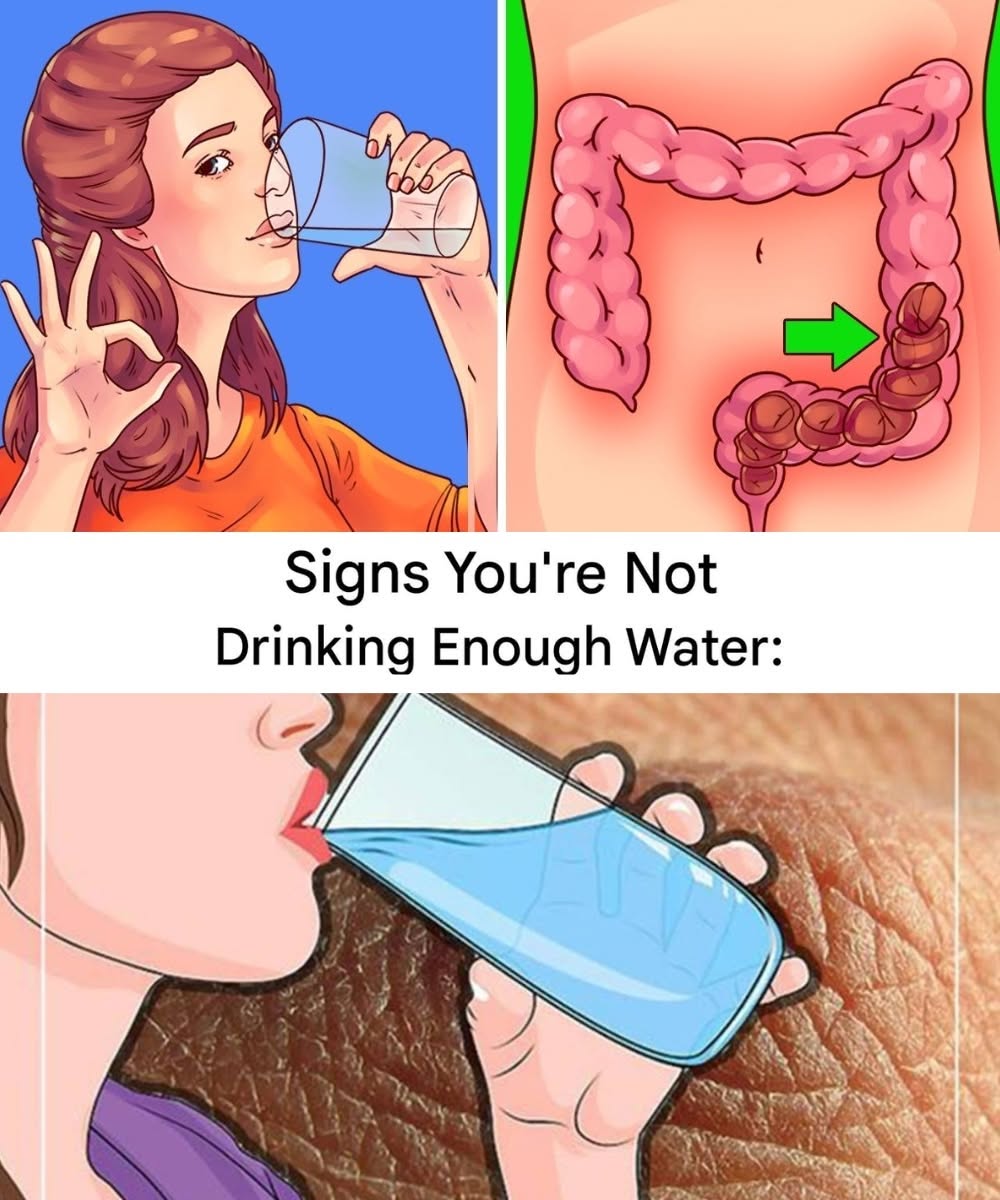
What Happens to Your Body When You Don’t Drink Enough Water? 8 Warning Signs You Should Never Ignore
Water is one of the most essential nutrients your body needs to function properly. It helps regulate body temperature, transport nutrients, lubricate joints, support digestion, and remove waste. Since the human body is made up of around 60% water, even mild dehydration can affect your physical and mental performance.
Unfortunately, many people don’t realise they’re dehydrated until symptoms become noticeable. Feeling tired, having a headache, or experiencing dry skin may seem unrelated, but they can all be your body’s way of asking for more water.
Here are eight common signs that you may not be drinking enough water and why staying hydrated is so important.
1. Dry, Tight, or Dull Skin
Your skin is often one of the first parts of your body to show signs of dehydration. Without enough water, skin can lose its natural elasticity and moisture, making it appear dry, flaky, or less radiant.
Why it happens
When your body doesn’t have enough fluids, it prioritises supplying water to vital organs rather than the skin.
What you may notice
Dry or rough skin
Fine lines appearing more noticeable
Reduced skin elasticity
Chapped lips
Drinking enough water, together with a balanced skincare routine, can help support healthy-looking skin.
2. Constipation and Poor Digestion
Water is essential for healthy digestion. It helps soften stool and allows waste to move smoothly through the intestines.
Signs include
Hard stools
Difficulty passing bowel movements
Bloating
Abdominal discomfort
When you’re dehydrated, the large intestine absorbs extra water from waste, making stools harder and more difficult to pass.
Increasing your fluid intake, along with eating fibre-rich foods, can help maintain regular digestion.
3. Frequent Headaches
Even mild dehydration can contribute to headaches in some people.
Why dehydration causes headaches
When fluid levels drop, the brain temporarily loses a small amount of water, which may trigger pain-sensitive tissues surrounding it.
You might experience:
Dull headaches
Throbbing pain
Difficulty concentrating
Increased sensitivity to light
If dehydration is the cause, drinking water may help improve symptoms.
4. Constant Fatigue and Low Energy
Feeling unusually tired throughout the day may be related to not drinking enough fluids.
Water helps transport oxygen and nutrients throughout the body. Without adequate hydration, your heart works harder and your muscles receive less efficient support.
Common symptoms include:
Lack of energy
Feeling sluggish
Difficulty focusing
Reduced physical performance
Sometimes, simply drinking water can help improve alertness if dehydration is the underlying issue.


